Your home works hard every day. It faces sun, rain, wind, dirt, pollen, bugs, algae, and mold. So, when green streaks show up on your siding or black marks spread across your roof, you may feel worried. You want your home to look clean again. More than that, you want to protect what you paid for. So, the big question is simple: is soft washing safer than pressure washing for your home’s exterior? In many cases, yes. However, the best choice depends on the surface, the stains, and the cleaning method. Let’s walk through it together in plain English.
1. Soft Washing vs. Pressure Washing: What’s the Real Difference?
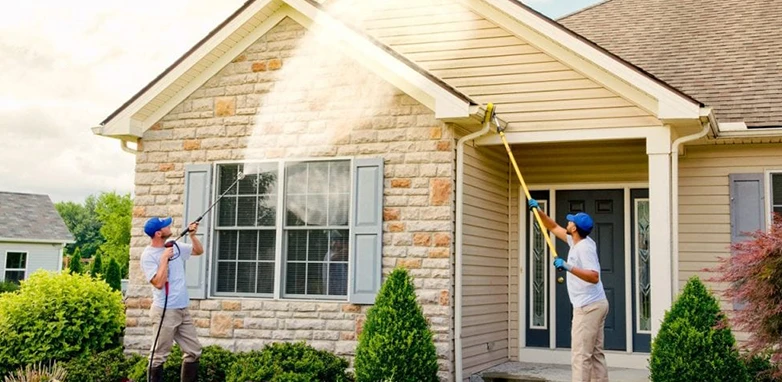
Soft washing uses low water pressure and cleaning solutions. These solutions break down algae, mildew, mold, and dirt. Then, a soft rinse washes the mess away.
Pressure washing uses a strong water force. It can clean hard surfaces fast. For example, it may work well on concrete, stone, and some brick. However, it can harm softer home surfaces.
Here is the simple way to think about it:
| Cleaning Method | Best For | Main Risk |
| Soft washing | Roofs, siding, stucco, painted wood | The wrong mix may harm plants |
| Pressure washing | Concrete, pavers, some brick | High force may damage surfaces |
| Low-pressure rinse | Light dirt and pollen | May not remove deep growth |
So, soft washing is often safer for house washing. Also, it targets the cause of stains, not just the top layer.
2. Why High Pressure Can Hurt Your Home
Pressure washing sounds strong because it is strong. However, stronger does not always mean better. High pressure can push water behind vinyl siding. Then, trapped water may lead to mold inside the walls. Also, strong spray can strip paint, dent siding, and splinter wood.
Roof cleaning needs even more care. The Asphalt Roofing Manufacturers Association says homeowners should not pressure wash asphalt shingles. It warns that pressure washing can remove granules and shorten roof life.
3. When Soft Washing Is the Safer Choice
Soft washing is often safer for delicate surfaces. For example, it works well on vinyl siding, painted siding, stucco, gutters, soffits, and many roofs. That is because soft washing depends on dwell time. In other words, the cleaner sits briefly and breaks down growth. Then, low-pressure rinses it off.
This helps with common home stains, such as:
- Green algae on shaded siding
- Black roof streaks
- Mildew near gutters
- Mold near damp areas
- Pollen and dirt buildup
Also, soft washing can clean areas without forcing water into cracks. As a result, it lowers the chance of hidden moisture problems. Still, safe soft washing needs care. Plants should be wet before and after cleaning. Also, cleaners must be mixed and rinsed the right way.
4. Where Pressure Washing Still Makes Sense
Pressure washing is not bad. It is just not right for every surface. For example, pressure washing can help clean tough outdoor areas. These include driveways, sidewalks, patios, and some stone walls. Also, it can remove mud, tire marks, and loose grime faster than soft washing.
However, the operator must use the right tip, pressure, angle, and distance. Even concrete can etch when the spray is too strong or too close.
Smart places for pressure washing
- Concrete driveways
- Brick paths in good shape
- Stone patios
- Some paver surfaces
Places to avoid high pressure
- Asphalt shingles
- Old wood
- Painted siding
- Window seals
- Loose brick mortar
So, pressure washing has a place. Yet, it needs good judgment.
5. What About Roof Cleaning?
Roof stains can look scary. However, many black streaks come from algae, not dirt. So, blasting them with water usually misses the real issue.
Soft washing is often the safer roof cleaning method. It uses low pressure and a cleaner made to treat organic growth. Then, the roof gets rinsed without harsh force. This matters because asphalt shingles are not smooth boards. They have granules that help shield the roof. As noted earlier, ARMA warns against pressure washing asphalt shingles because it can cause granule loss.
Also, roof work can be dangerous. Wet shingles, ladders, and cleaning mix create real risks. Therefore, many homeowners should avoid DIY roof washing. For peace of mind, ask about low-pressure roof cleaning, plant protection, and runoff control before any roof work begins.
6. How Cleaning Affects Plants, Pets, and Soil
A clean home feels good. However, your yard matters too. Soft washing uses cleaning solutions, so plants need protection.
Before washing, nearby plants should be watered. This helps leaves and soil take in clean water first. Then, after washing, plants should be rinsed again. The Spruce also notes that plant protection matters when using soft washing mixes around a home.
Here are simple safety steps:
- Move pet bowls, toys, and cushions.
- Cover delicate plants when needed.
- Rinse grass and shrubs before cleaning.
- Rinse plants again after cleaning.
- Keep pets inside during work.
Also, runoff should not flow into ponds or fish areas. That is important because fish and water plants can be sensitive.
7. How to Choose the Right Method by Surface
Different surfaces need different care. So, do not use one cleaning method for the whole house.
Use this guide as a starting point:
- Vinyl siding: Soft washing usually works best.
- Painted wood: Soft washing helps avoid peeling.
- Stucco: Low pressure helps prevent cracks.
- Asphalt shingles: Avoid pressure washing.
- Concrete: Pressure washing may work well.
- Brick: Use care, especially with older mortar.
- Windows: Avoid direct high pressure.
- Gutters: Soft wash outside faces.
Also, always check the age and condition of the surface. Loose paint, cracks, gaps, and weak caulk change the answer. The Vinyl Siding Institute recommends simple cleaning with a soft cloth, soft brush, and mild cleaner for many siding stains. It also advises care with cleaners and rinsing.
Wrap Up
In most cases, soft washing is safer than pressure washing for your home’s exterior. It uses low pressure, treats organic growth, and lowers the risk of surface damage.
However, pressure washing can still help on hard surfaces. So, the safest answer is not “soft wash everything” or “pressure wash everything.” Instead, match the method to the surface.
Before any exterior cleaning, ask three questions:
- What surface needs cleaning?
- What caused the stain?
- What pressure will be used?
Those answers protect your siding, roof, plants, and wallet.
For homeowners who want a safer clean without guesswork, KleenTex Power Washing is the trusted name that provides the best services. A clean home should make you feel proud, not nervous. So, choose the method that protects your home while removing the mess.